Selecting the correct anthelmintic for the parasites being targeted and the resistance status of your farm, and administering this product correctly are key steps in sustainable parasite control.
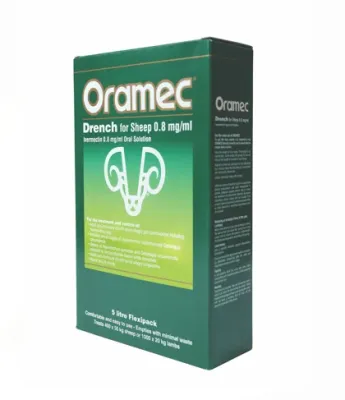
Broad-spectrum wormers are grouped into five colour-coded classes. There are multiple actives included in some of the groups. Products from these groups are licensed to treat gastrointestinal nematodes, however anthelmintic resistance may reduce their efficacy against specific worm populations.
Resistance is increasing. In Ireland, a survey of post-treatment FECs carried out on pooled samples from weaned lambs found that 70% of treatments with white wormers were ineffective. This was the most frequently used anthelmintic group on farms that participated in the study. The results showed that 43% of treatments with a yellow wormer were ineffective, whilst for clear wormers this figure was 31%.4
Regularly testing for anthelmintic resistance is an important part of a parasite control plan, and ensures that the most appropriate wormer is used. A post-treatment efficacy test involves performing a FEC on samples collected from at least 10 randomly selected sheep from a single management group. This should take place 7 days after administration of a yellow wormer and 14 days after administration of worming products from the white, clear, orange or purple groups.
Over-reliance on a single anthelmintic group should be avoided, and products from the newer orange and purple wormers should be integrated into treatment protocols, as a mid to late season dose for weaned lambs. The objective is to utilise these new wormers in a sustainable way to prolong the effectiveness of the other anthelmintic groups.
Correct dosing and administration of anthelmintic products are critical, under-dosing will reduce the efficacy of a treatment and is a driver of resistance. Always use an appropriate, well maintained application device and check it is calibrated to deliver the correct volume of product before commencing treatment. The dose should be calculated based on an accurate assessment of bodyweight of the heaviest animals and never on the average weight of the group. Weigh a representative sample of the heavier animals in the group to determine this. If there is wide variation, divide animals into subgroups based on size. Take care when administering product to ensure that the animal received a full dose.